Gurgaon · Gurugram
Spine Issues
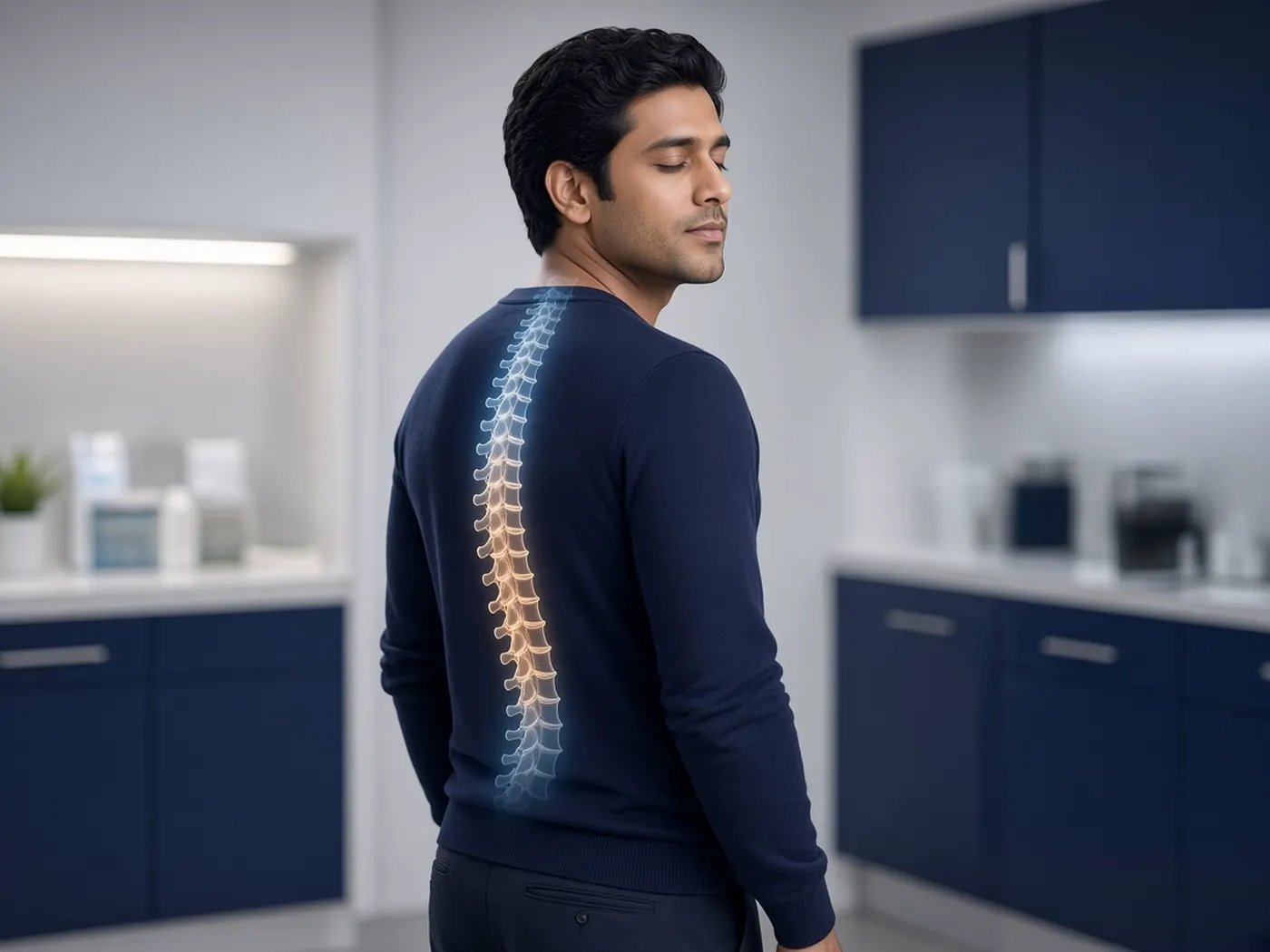
Back pain, neck pain, and pain running down a leg or an arm are among the most common reasons people search for spine surgery in Gurgaon. Most of these problems do not start with an operation.
Dr. Deepak Kumar sees spine problems at both Gurgaon clinics. He looks at how you walk, the strength in your arms and legs, and whether the MRI matches the pain. A bulge on a scan, by itself, is not always a reason to operate.
Spine Issues
Slip disc
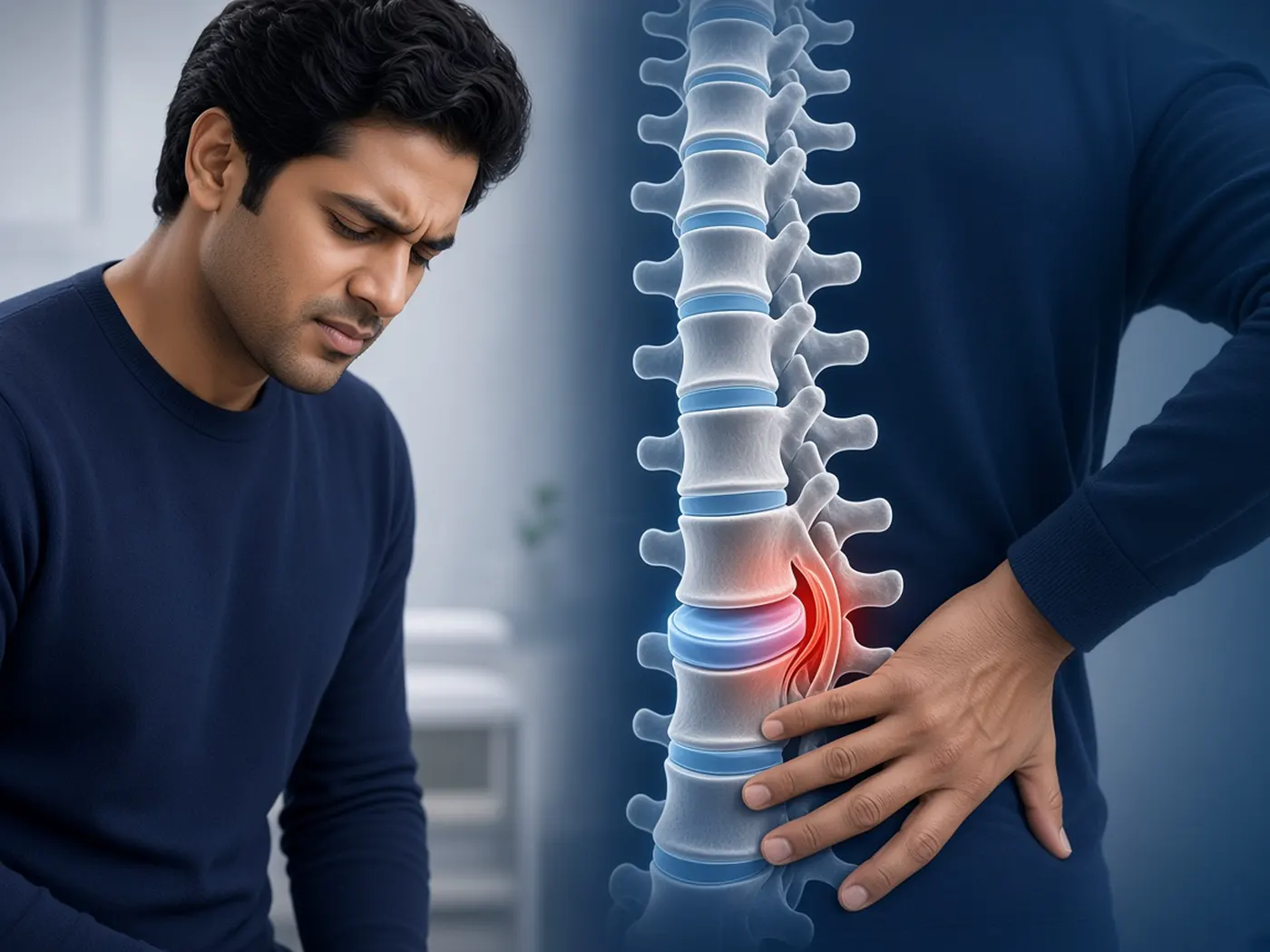
The discs are cushions between the spinal bones. A slip disc, also called a herniated or prolapsed disc, means some of that cushion has pushed out and may press a nerve. In the lower back this often causes back pain and pain down one leg. In the neck it can cause neck pain and pain down one arm.
Many slip discs settle with a short period of relative rest, pain relief, and physiotherapy. Surgery is considered when pain stays severe, when there is clear weakness, or when there are emergency signs such as loss of bladder or bowel control or numbness in the private area.
Bring your MRI. The pictures and the symptoms both matter.
Spine Issues
Back pain
Back pain is common. Muscle strain, a worn disc, and long hours of sitting all play a part. Most episodes are not a sign of a serious spine disease.
A neurosurgeon is more relevant when pain runs down the leg, when there is weakness or numbness, when pain follows cancer, fever, or an injury, when it wakes you at night and keeps getting worse, or when bladder or bowel control changes. Not everyone needs an MRI on the first day, and not everyone needs surgery.

Spine Issues
Neck pain
Neck pain may come from muscle strain, worn joints, or a disc pressing a nerve. Pain, tingling, or numbness in the shoulder, arm, or hand suggests a nerve is involved.
Trouble with walking, clumsy hands, or electric feelings when you bend the neck can mean the spinal cord is being pressed. Those symptoms should be checked soon. Care can include posture advice, physiotherapy, and medicine. Surgery is reserved for nerve or cord compression that matches the scan and the examination.

Spine Issues
Sciatica
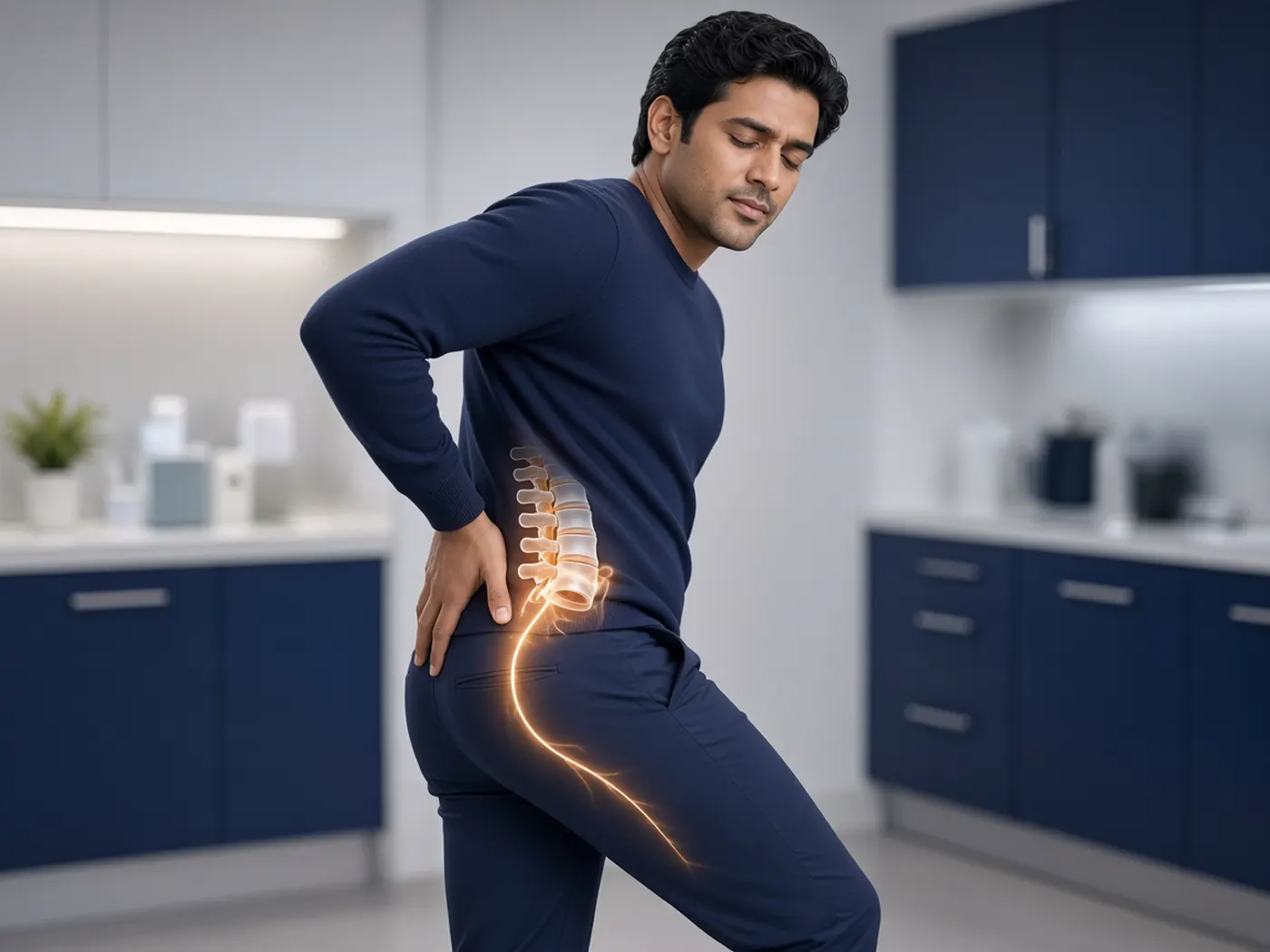
Sciatica is pain that travels from the lower back through the buttock and down the leg, often along the sciatic nerve. A slip disc is a common cause. Narrowing of the spinal canal can cause a similar pain that limits walking in older adults.
A few days of relative rest, then gradual walking, is reasonable for a first episode without weakness. See a doctor sooner if the leg is weak, the foot drops, pain is unbearable, or bladder and bowel habits change. An operation, when it is advised, aims to free the pressed nerve. How much the pain settles varies from person to person.
Spine Issues
Cervical spondylosis
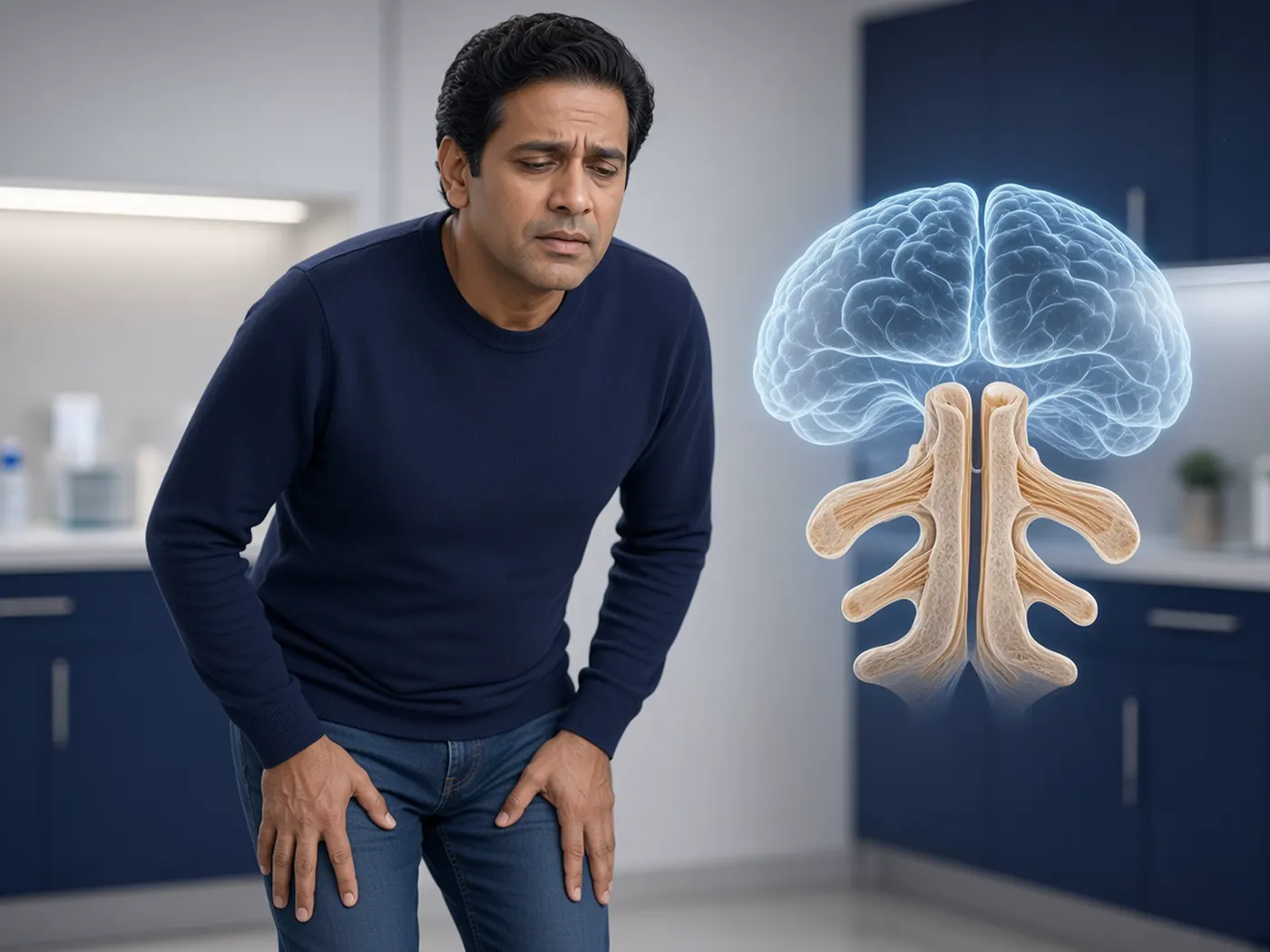
Cervical spondylosis is wear of the discs and joints in the neck. It is common with age and often causes only stiffness. It becomes a surgical discussion when bone spurs or a disc press the spinal cord or a nerve root.
Pressure on the cord may show up as stiff legs, imbalance, dropping objects, or numb hands. An MRI shows how tight the canal is. The surgeon explains whether an operation from the front or the back of the neck is being considered, and whether a fusion or an implant would be part of it. A collar and physiotherapy help many people who do not have cord pressure.

Spine Issues
Spinal stenosis
Stenosis means the canal for the nerves has become tight, usually from age-related overgrowth of bone and ligament. In the lower back, people describe heavy legs after walking a short distance, eased by sitting or bending forward.
Medicines, physiotherapy, and changes in activity come first when symptoms are mild. Surgery to open the canal, sometimes with a fusion if that segment is unstable, is discussed when walking is clearly limited or there is weakness. The aim is to give the nerves more room. It does not undo wear in the rest of the spine.
Spine Issues
Spine fractures
A spine fracture may follow a fall, a road accident, or, in softer bone, a smaller injury. Some fractures are stable and are treated with a brace and pain control. Some are unstable or press the spinal cord and need an operation to realign the spine and support it with implants.
New weakness, numbness, or loss of bladder control after an injury is an emergency. Go to a hospital emergency department. A planned review is for patients who are stable and already have X-rays or a CT. Dr. Deepak Kumar has advanced training in spinal implants (Germany). Whether implants are needed depends on stability, bone quality, and the fracture pattern.

Common questions
Book an appointment
Share your name, mobile number, and preferred clinic. The team will call to confirm a time. This request is not a confirmed booking until they speak with you.
Review an earlier surgery plan
If another doctor has already suggested surgery, you can ask Dr. Deepak Kumar to review the plan. Bring the scan, the report, and the earlier advice. Sending this form also opens WhatsApp to 9871038709.
Related reading is on the blog. For timings and maps, see contact.