Gurgaon · Gurugram
Brain Issues
People look for a neurosurgeon in Gurgaon when a scan mentions a growth, after a head injury, or when a headache starts to behave in a new way. This page explains those problems in everyday language.
Dr. Deepak Kumar reviews brain conditions at Brain & Spine Care, Sector 15, and at Aarvy Healthcare, Sector 90. A consultation is a history, an examination, and a look at your MRI or CT. It is not a promise of surgery, and it is not an emergency service.
Brain Issues
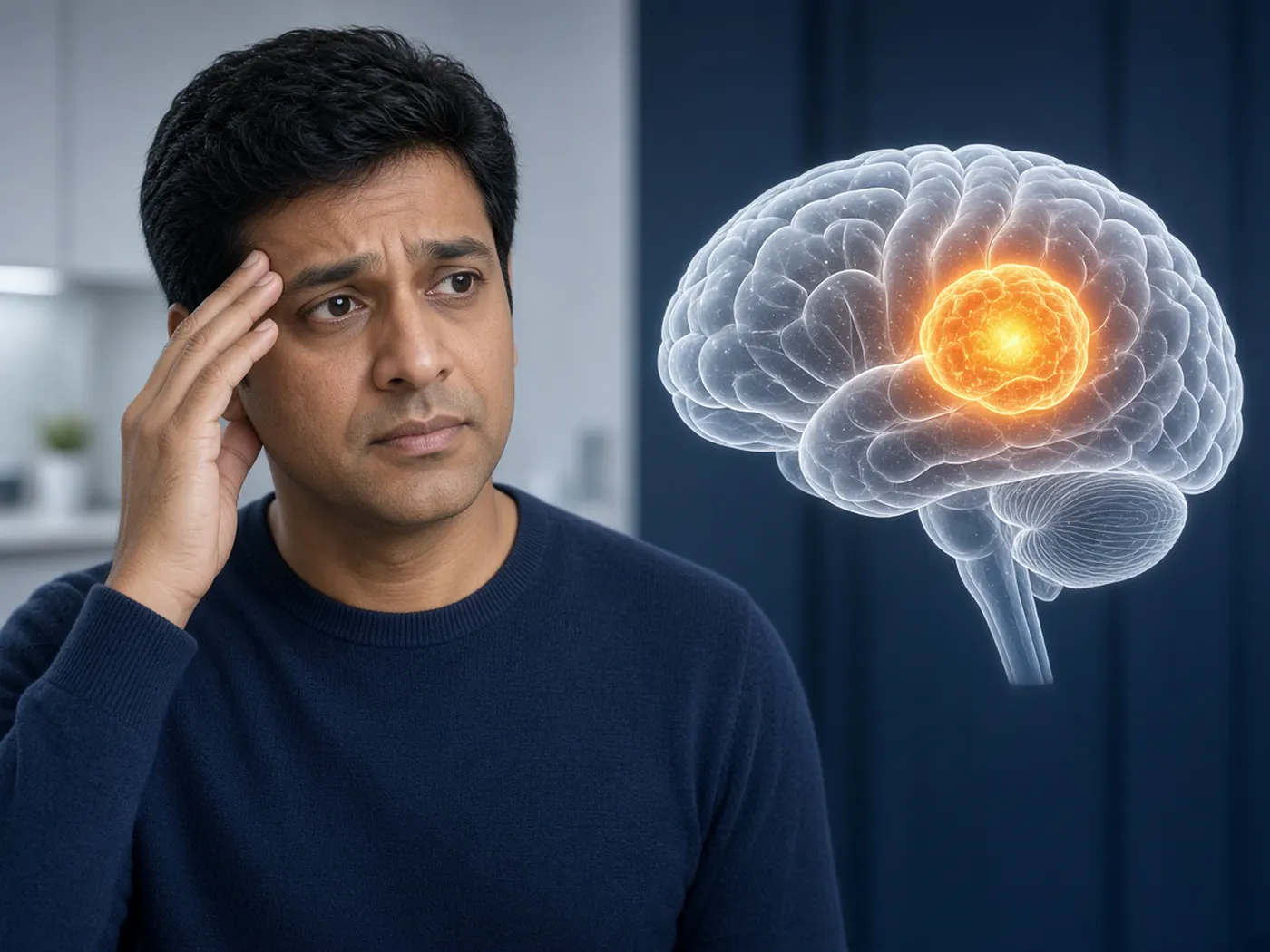
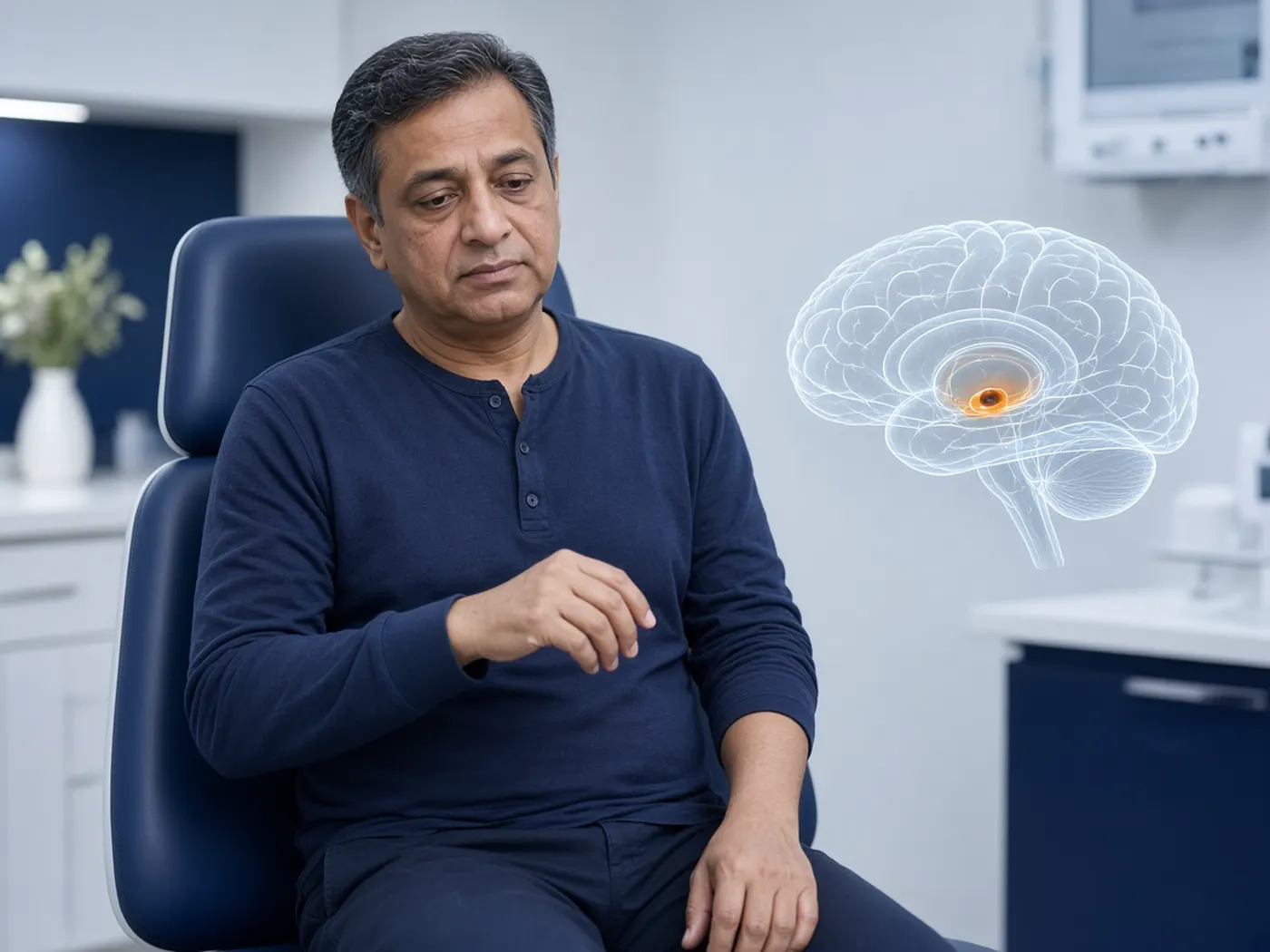
Brain tumor
A brain tumor is a growth of cells inside the skull. Some are non-cancerous and some are cancerous. A report that says tumor, lesion, or SOL (space-occupying lesion) is a reason to sit with a neurosurgeon, not a reason to decide from a search result.
People may notice a new kind of headache, seizures, vomiting, weakness on one side, trouble speaking, or a change in vision or balance. None of these signs prove there is a tumor. They are reasons to be examined.
Bring the MRI or CT images and the written report. Treatment can include watching, medicine, a biopsy, surgery, or a referral for radiation or chemotherapy. The plan depends on the type of growth, its size, and the brain areas next to it. Surgery is not offered to every person.
Brain Issues
Headache and migraine red flags
Most headaches are not caused by a brain tumor or a bleed. A long-standing migraine that behaves as it always has is usually looked after by a physician or a neurologist.
Ask for an urgent check if a headache is the worst of your life and starts suddenly, comes with fever and a stiff neck, follows a head injury, wakes you from sleep with vomiting, or arrives with a seizure, weakness, confusion, or loss of vision. A new headache after the age of 50 also deserves a proper look.
The clinic visit is a history and an examination. A scan is advised when the story or the exam suggests something more than a routine headache.
Brain Issues
Head injury
A fall, a road accident, or a blow to the head can bruise the brain or cause bleeding inside the skull. Some people look well at first and worsen hours later.
Go to an emergency department the same day if there was loss of consciousness, repeated vomiting, a seizure, increasing drowsiness, confusion, weakness of an arm or leg, clear fluid from the ear or nose, or a worsening headache. People on blood-thinning medicines should be checked even if they feel only slightly off.
A CT scan is the usual first test in an emergency. A neurosurgeon is involved when there is a bleed, a depressed skull fracture, or swelling that may need an operation or close watching in hospital. A routine evening OPD is for stable patients who already have a scan.
Brain Issues
Stroke and brain bleed
A stroke is a sudden problem with blood flow in the brain. Some strokes are a blocked vessel. Some are bleeding. Sudden face droop, arm weakness, speech trouble, or a sudden severe headache means go to the nearest hospital now. Do not wait for an outpatient slot.
After the emergency is under control, some patients need a neurosurgeon: for a bleed that is pressing on the brain, for selected vessel problems, or to relieve pressure. An outpatient review is for people who are stable and already have a discharge summary and a scan.
Brain Issues
Hydrocephalus
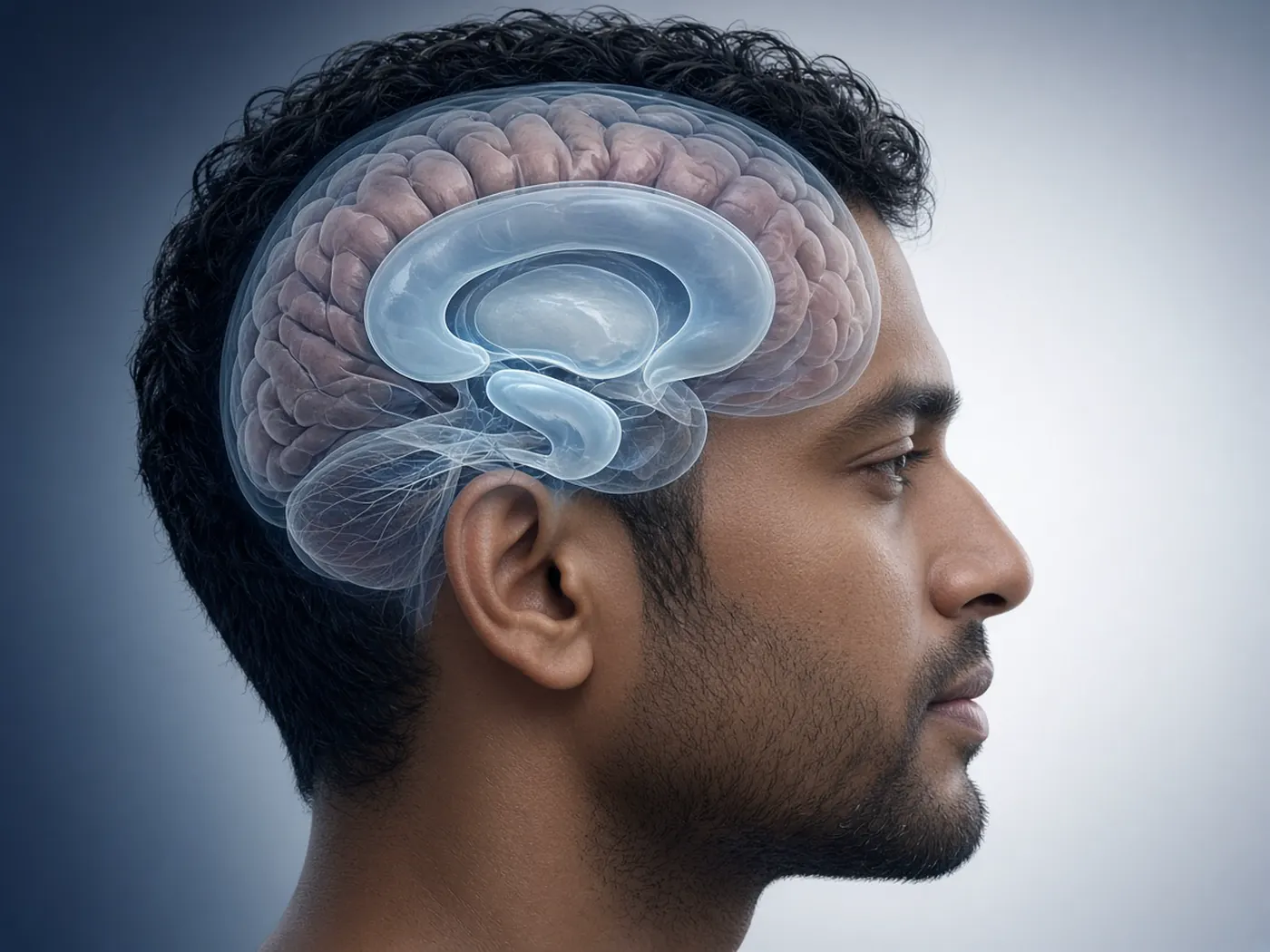
Hydrocephalus means fluid is building up in the spaces inside the brain. In infants the head may grow quickly. In older children and adults it can cause headache, vomiting, walking trouble, memory change, or drowsiness.
When a procedure is needed, it may divert the fluid with a shunt, or in selected cases make a new pathway with an endoscope. The choice depends on the cause and the scan. Shunts can block or become infected later, so follow-up is part of care.
Brain Issues
Epilepsy surgery
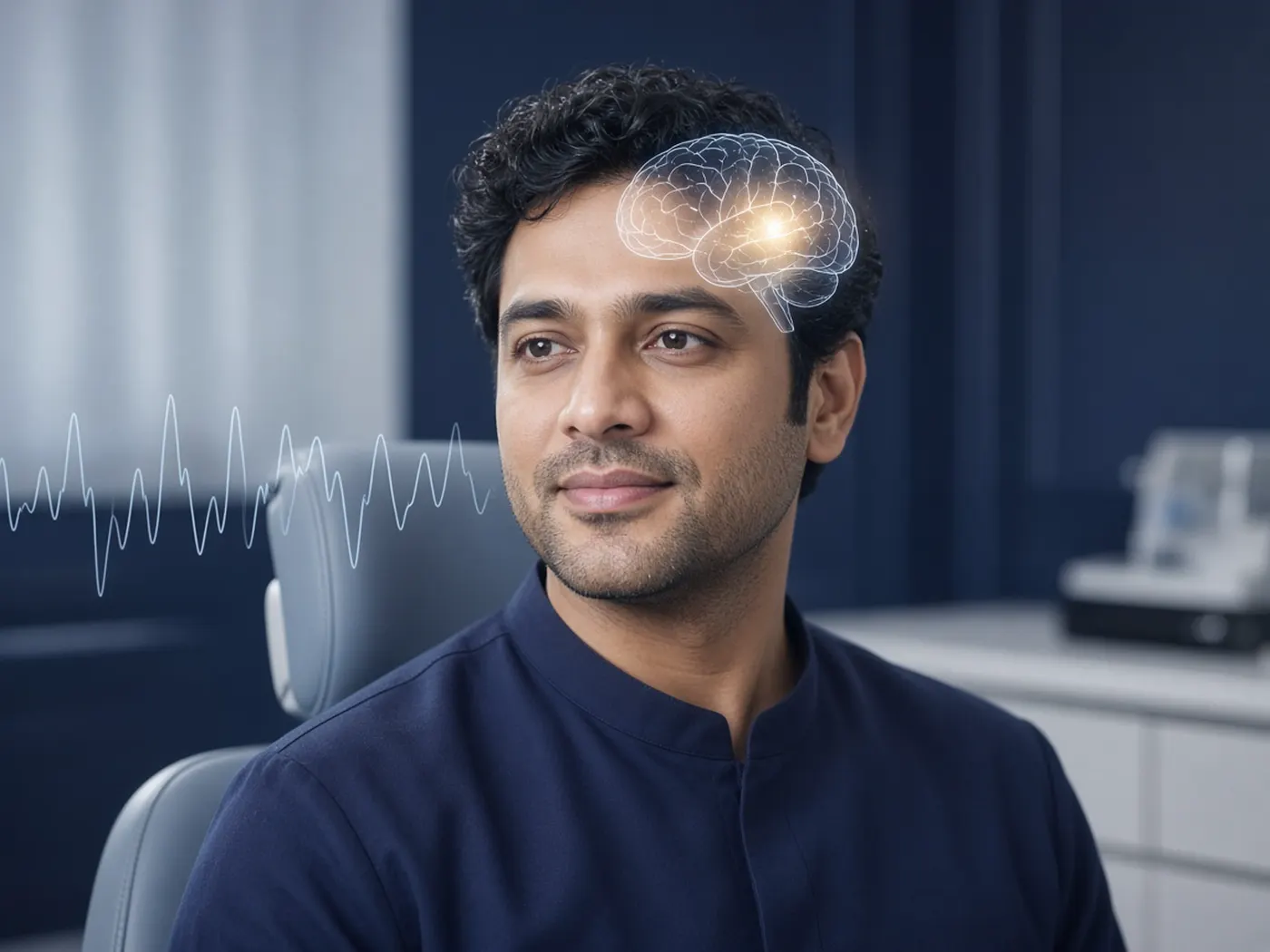
Many people with seizures are treated with medicine by a neurologist and never need an operation. Surgery is discussed only for selected patients whose seizures continue despite well-chosen medicines, and only after tests such as MRI and video EEG.
A neurosurgeon works with the neurologist. The aim is to reduce seizures. It is not a promise that seizures will stop, and it is not suitable for every type of epilepsy.
Brain Issues
Parkinson's and deep brain stimulation
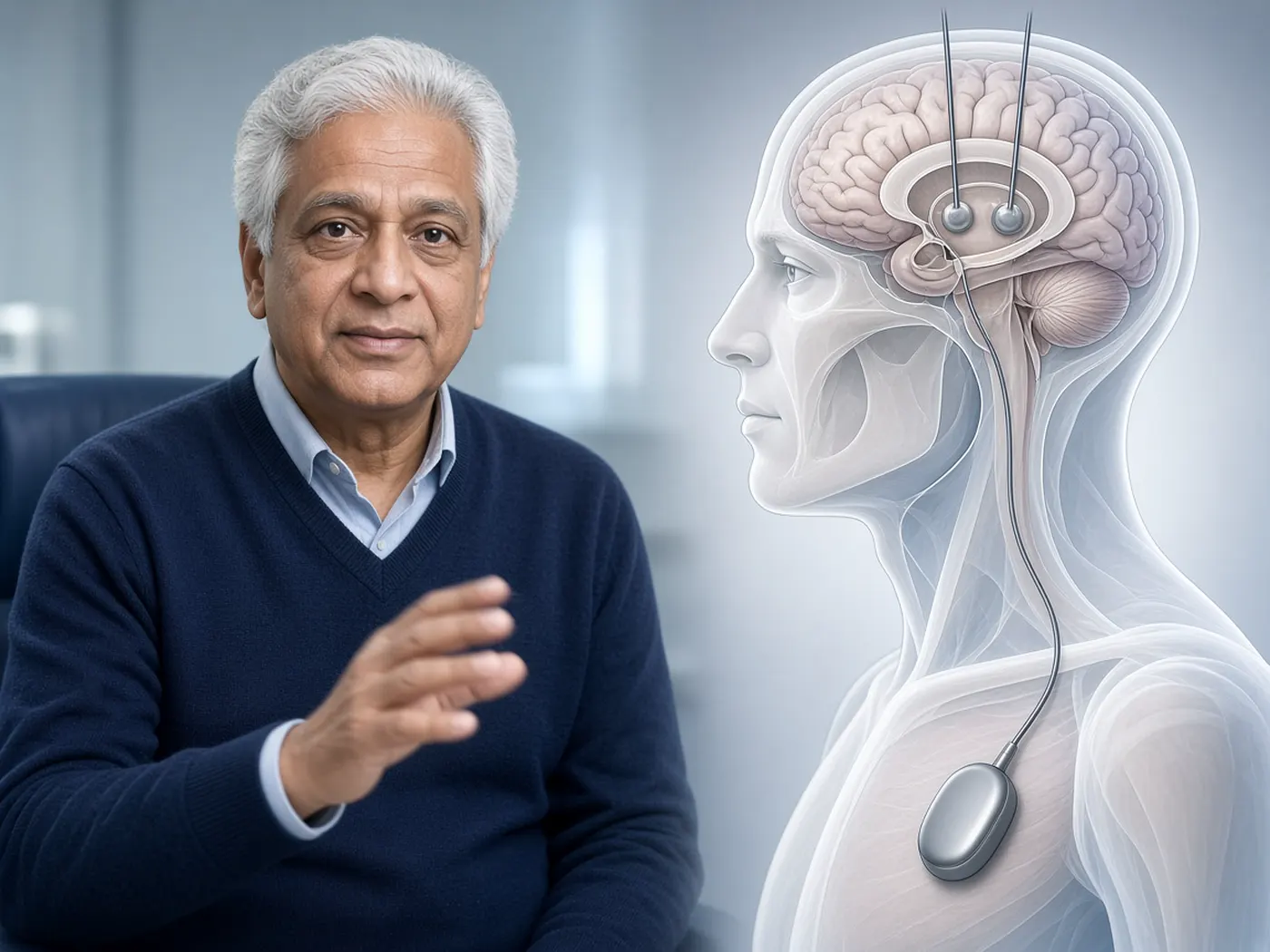
Parkinson's disease is usually looked after by a neurologist with medicines. Deep brain stimulation (DBS) is an operation considered for some people whose tremor, stiffness, or fluctuations are no longer well controlled.
DBS places thin electrodes in a deep target and connects them to a battery under the skin. It does not cure Parkinson's, and it does not replace medicines for most patients. Dr. Deepak Kumar has advanced training in stereotactic surgery and deep brain stimulation (Inomed, Germany). Whether DBS is reasonable can be said only after a movement-disorder assessment and an in-person review.
Common questions
Book an appointment
Share your name, mobile number, and preferred clinic. The team will call to confirm a time. This request is not a confirmed booking until they speak with you.
Consult Online
For patients in other cities or outside India. Describe the problem in a few lines and keep your MRI or CT report ready for the call.
Related reading is on the blog. For timings and maps, see contact.